
Start With the Basics: Your Wheel Fitment Guide
Welcome to the WheelSmart Rims Tech Blog — your trusted source for clear, practical wheel knowledge from industry experts.
Whether you’re diagnosing a cracked rim, decoding specs like bolt pattern, offset, or wheel width, or simply making sure you’re buying the right wheel, this page will guide you through the essentials.
Below you’ll find the foundational articles every driver should read first — organized from beginner to advanced.
Start With the Basics (Read These First)
These are the four core fundamentals of wheel fitment. Once you understand these, everything else becomes easy:
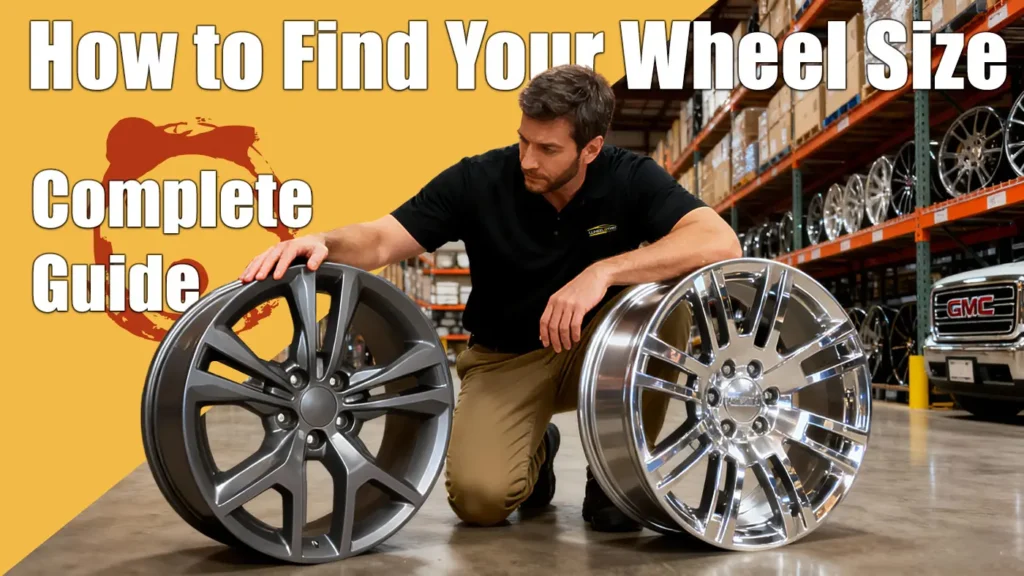
1) How to Find Your OEM Wheel Size
Learn the fast, accurate ways to identify your wheel diameter, width, center bore, and bolt pattern. (Explains tire sidewall method, backside markings, and vehicle label.)
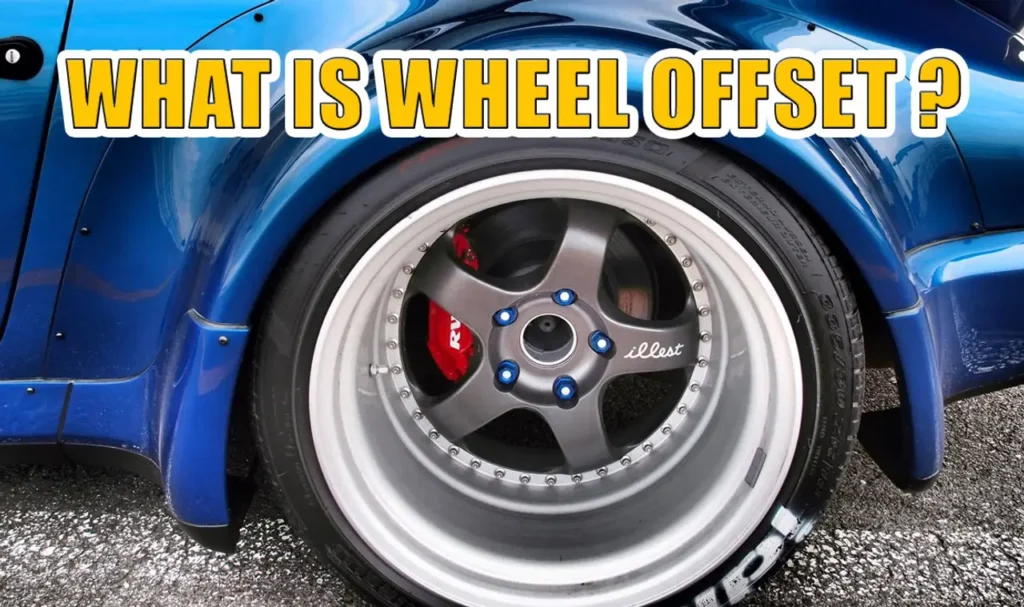
2) Wheel Offset Explained (+45, 0, -12)
Offset determines how far your wheel sits inside or outside the fender.
If the spec confuses you, this guide makes it simple and visual.
3) How to Read Your Bolt Pattern (5×114.3, 6×139.7, etc.)
Your bolt pattern determines what wheels physically bolt to your hub.
This is one of the most crucial specifications for any wheel.
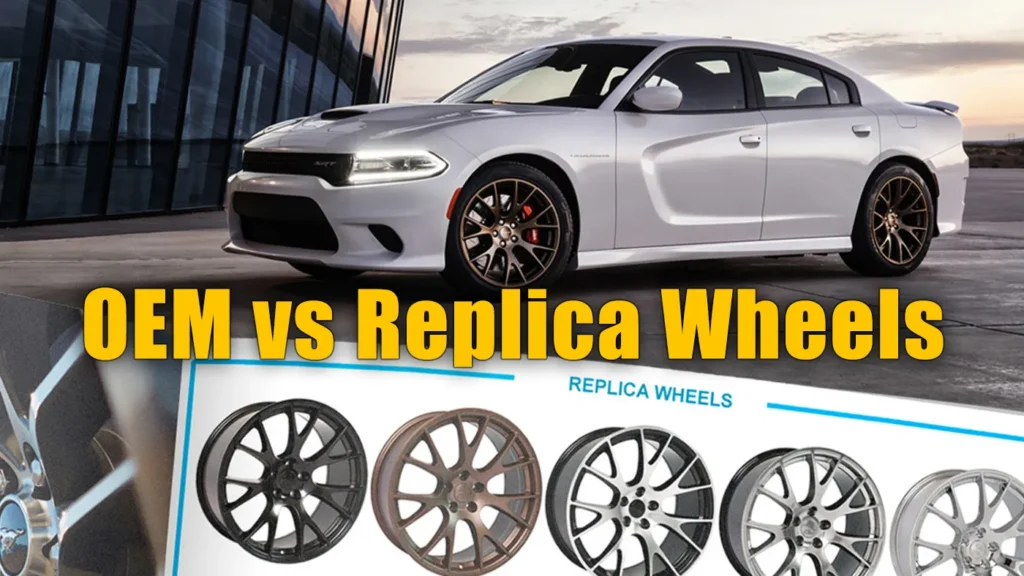
4) OEM vs Replica Wheels — What’s the Difference?
Understand the real-world differences in construction, weight, safety, and finish — written from an industry insider’s perspective.
Popular Wheel Fitment Guides (Vehicle-Specific)
Finding the right information about wheels shouldn’t feel confusing. That’s why this page exists — to give you one clear place to begin. Think of it as your personal wheel fitment guide, written for real drivers, not engineers or forums. If you’ve ever wondered whether a wheel will fit your vehicle, what those stamped numbers mean, or whether a replica rim is safe, you’re in the right spot.
This blog is built from real-world experience. Every topic here comes from questions we hear every day: “What size wheels do I have?”, “Will these rims rub?”, “Is a cracked wheel safe to repair?”, and “What’s the difference between OEM and replicas?” Instead of sending you down a rabbit hole of bad answers, we condensed everything into one simple wheel fitment guide for beginners.
The goal is easy: help you make confident decisions. Clear steps. Clear terms. Clear examples. No guesswork. Whether you want a quick answer or a deeper dive, this is the best place to start.
If you’re here to check wheel compatibility for your specific vehicle, start with the guides below:
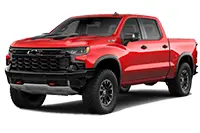
Factory sizes, bolt patterns, offsets, and upgrade options.

Toyota RAV4 Wheel Size Guide
OEM sizes, upgrade ranges, and what fits without rubbing

Honda Accord Wheel Fitment Guide
OEM widths, offsets, and the most common replacement options.
(More vehicle guides are added regularly.)
Technical Wheel Fitment Guide for Deeper Understanding
If you want to go beyond the basics:
🔧 Center Bore & Hub-Centric Fitment
Why vibration happens — and how hub-centered rings fix it.
🔧 Wheel Width Explained (7.0, 7.5, 8.0, etc.)
How width affects handling, tire stretch, and brake clearance.
🔧 Wheel Weight, Load Rating & Safety (Coming Soon)
Understand the engineering behind OEM standards. Wheel load ratings adhere to safety standards established by the U.S. Department of Transportation (DOT).
Cracked, Bent, or Damaged Wheel? Do This Next.
If you hit a pothole, curb, or railroad track and now have vibration or air loss, read this:
Cracked Rim — Repair vs Replacement (Safety Guide)
You’ll learn:
- When a rim can be safely repaired
- When it must be replaced
- Why is welding often unsafe
- How to spot hidden structural damage
Need the Exact Wheel for Your Car?
WheelSmart Rims makes replacing your wheel simple:
- ✔ Guaranteed fitment for your vehicle
- ✔ Factory OEM, reconditioned, and certified replica wheels
- ✔ Fast, FREE shipping within the continental U.S.
- ✔ Same-day shipping before 1 PM CST
- ✔ Easy financing with Affirm & Afterpay