When it’s time to replace your rims, you’ll face a critical choice: genuine OEM rims or aftermarket alternatives. This decision affects more than just appearance—it impacts safety, fitment, resale value, and long-term satisfaction with your vehicle. Whether you’re replacing a damaged rim or upgrading your ride, understanding what OEM rims offer (and what they don’t) helps you make the right investment.
This guide cuts through the marketing noise to give you honest, practical advice on genuine factory rims.
Table of Contents
What Are OEM Rims (vs Aftermarket Rims)
Definition of OEM (Original Equipment)
OEM stands for Original Equipment Manufacturer, the rims that came on your vehicle from the factory, or exact replacements made to the same specifications by the original manufacturer.
When you buy an OEM rim, you’re getting the same product the automaker chose during vehicle design and testing.
These rims are engineered specifically for your vehicle’s weight, suspension geometry, brake clearance, and performance characteristics.
How OEM Rims Differ from Aftermarket / Replica Rims
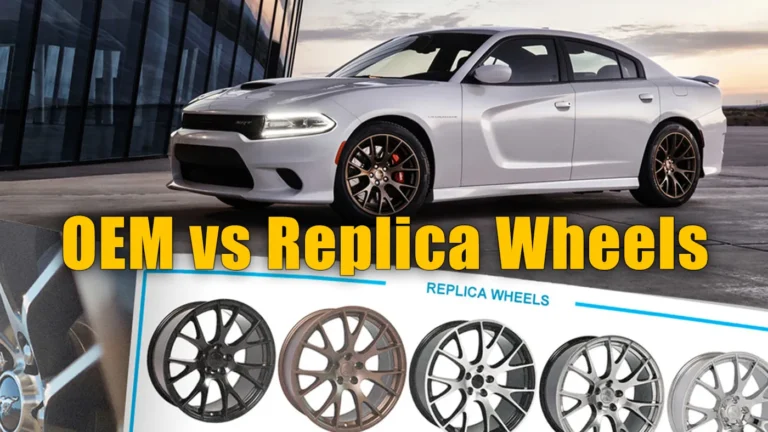
Aftermarket rims are produced by third-party manufacturers who design wheels to fit multiple vehicle models. While some aftermarket options offer excellent quality, they’re created using different specifications, materials, and testing standards than OEM rims.
Replica rims attempt to mimic OEM designs but typically use different manufacturing processes and materials to reduce costs.
The key differences include precise fitment tolerances, material composition, load ratings, and the extensive testing OEM rims undergo before vehicle release.
Advantages of Choosing OEM Rims
Guaranteed Correct Fitment—No Guesswork Required
OEM rims guarantee perfect fitment because they’re designed exclusively for your vehicle.
When you replace a damaged wheel with the same OEM rim that came on your car, all the technical specifications, bolt pattern, center bore, offset, and backspacing are already correct.
You don’t need to research offset numbers or worry about clearance issues. The wheel bolts on and works exactly like the original.
This plug-and-play simplicity is OEM’s biggest advantage: zero fitment research required, no spacers, no adapters, no modifications, just direct replacement that works.
To check all these wheel specs for your vehicle, visit our Wheel Size & Fitment Guide
Verified Quality Standards & Factory Testing
Automakers subject OEM rims to rigorous testing protocols that exceed industry minimums.
These wheels undergo stress testing, impact resistance evaluation, corrosion resistance trials, and real-world durability assessments. You can read more information on these tests in our article: What are OEM wheels? Engineering, Testing & Fitment Guide.
Factory wheels must meet specific load ratings determined by your vehicle’s weight, intended use, and safety margins.
This testing process ensures the rims can handle not just normal driving but also emergency maneuvers, pothole impacts, and years of service without structural compromise.
Safety, Warranty & Longevity
Safety represents the most compelling reason to choose OEM rims.
Factory wheels are engineered to work seamlessly with your vehicle’s braking system, suspension tuning, and electronic stability controls.
Many OEM rims come with manufacturer warranties covering defects and structural failures.
Because they’re built to higher standards using quality materials, genuine OEM rims typically outlast cheaper alternatives, maintaining structural integrity through years of use and exposure to road conditions.
Resale Value and Buyer Confidence
Vehicles equipped with original OEM rims command higher resale values and sell faster than those with aftermarket wheels.
Buyers trust that OEM-equipped vehicles haven’t been modified and maintain factory specifications.
When you’re ready to sell or trade, having genuine factory rims signals that you’ve maintained the vehicle properly.
This buyer confidence can translate into hundreds or even thousands of dollars in additional value, especially for newer vehicles or premium brands.
Common Misconceptions & Downsides of OEM Rims
Higher Price vs Perceived Value
OEM rims cost more than many aftermarket alternatives—often significantly more. A single genuine factory rim can run $200 to $800 or higher, depending on your vehicle.
This premium pricing reflects the engineering, testing, and quality standards discussed earlier, but it’s still a substantial investment.
For budget-conscious buyers replacing a single damaged rim, the cost difference between OEM and aftermarket options can feel prohibitive. However, this initial expense often pays dividends through longevity and resale value.
Limited Design / Finish / Customization Options
Factory rims prioritize function over fashion. If you’re seeking aggressive styling, unique finishes, or eye-catching designs, OEM options can feel conservative and limited.
Automakers typically offer only a few rim designs per model, with minimal variation in color or finish.
Enthusiasts who want to personalize their vehicle’s appearance often find aftermarket wheels more appealing. The trade-off becomes style flexibility versus proven fitment and quality assurance.
Availability & Size/Finish Variants (incl. reconditioned OEM rims)
Finding the exact OEM rim you need can be challenging. Discontinued models, rare finishes, and specific size variants can be challenging to source through dealers.
This scarcity sometimes forces buyers to turn to aftermarket alternatives or used OEM rims.
Reconditioned OEM rims offer a middle ground, genuine factory wheels that have been professionally refurbished to like-new condition at a fraction of new OEM prices.
These reconditioned options provide authentic fitment and quality while addressing the availability and cost concerns many buyers face.
How to Identify Genuine OEM Rims (Your Buyer Checklist)
Checking Part Numbers / VIN Match
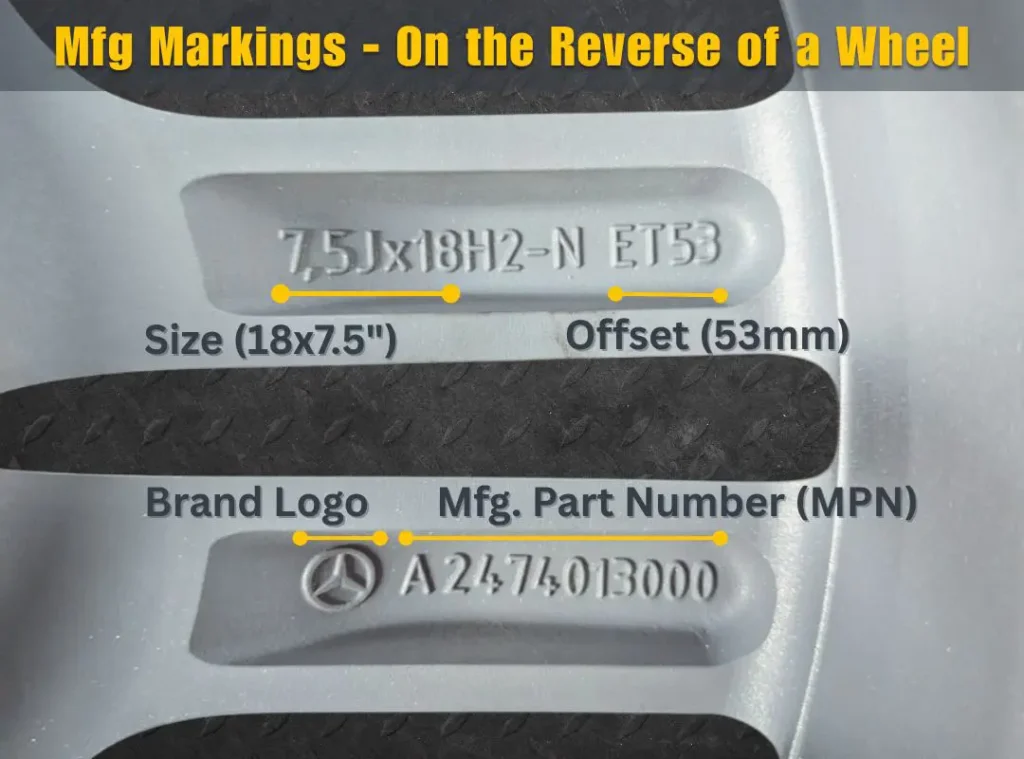
Every genuine OEM rim carries a specific part number that corresponds to your vehicle’s make, model, and year.
Before purchasing, verify this part number against your vehicle’s documentation or by calling your dealership’s parts department with your VIN.
The part number is typically stamped on the back of the rim, though the location varies by manufacturer. This verification step is your first line of defense against counterfeit or incorrect rims being sold as OEM.
Manufacturer Stamps, Logos, and Finish Quality
Examine the rim carefully for manufacturer markings, brand logos, and date codes.
Authentic OEM rims feature specific automaker logos and part numbers unique to the original manufacturer.
Check the finish quality: OEM rims exhibit consistent paint or coating application and brand-specific design details. Look for the automaker’s logo (Honda, Ford, GM, etc.) rather than just DOT certifications. Quality replacement wheels will have DOT certifications and their own manufacturer branding, but won’t carry the original automaker’s marks.
The key distinction is that genuine OEM rims bear the vehicle manufacturer’s branding, while high-quality replacement wheels carry their own manufacturer’s identity.
Fitment Verification — When It Actually Matters
When buying the exact OEM rim that came on your vehicle (matching your year, make, and model), fitment is already guaranteed—the offset, bolt pattern, and center bore are correct by design.
You simply need to verify you’re getting the right part number for your specific vehicle.
However, if you’re considering OEM wheels from a different vehicle model or switching to custom/aftermarket wheels, then offset becomes critical. In those cases, you’ll need to research whether the different offset will cause rubbing, alignment issues, or clearance problems.
For straight OEM replacements matching your original wheels, this complexity doesn’t apply—the specifications are already worked out by the manufacturer.
Even if a rim looks authentic, confirm the specifications match your vehicle’s requirements. Verify the bolt pattern (such as 5×114.3), offset measurement (ET rating), center bore diameter, and rim width.
OEM Rims When Buying Online — What to Check Before You Click “Buy”
Fitment Guarantee & Returns Policy
Before purchasing OEM rims online, scrutinize the seller’s fitment guarantee and return policies.
Reputable sellers should guarantee that the rims fit your specific vehicle or offer hassle-free returns if they don’t. Look for clear language about who pays return shipping and any restocking fees.
Avoid sellers with vague policies or those who place all fitment responsibility on the buyer. A solid fitment guarantee signals that the seller stands behind their product and has expertise in matching rims to vehicles
Rim Finish & Shipping Protection
Request detailed photos showing the rim’s current condition, including close-ups of any blemishes, curb rash, or finish imperfections.
For reconditioned rims, ask what the refurbishment process included. Inquire about shipping methods and packaging; OEM rims should arrive in protective packaging with padding to prevent damage in transit.
Some sellers cheap out on shipping materials, leading to damage that wasn’t present when the rim left the warehouse. Clarify who’s responsible if the rim arrives damaged
Price vs New, Used & Reconditioned OEM Comparison
Compare pricing across all OEM options before buying. New OEM rims from dealers represent the highest cost but offer warranties and guaranteed authenticity.
Used OEM rims save money but require careful inspection for hidden damage or structural issues. Reconditioned OEM rims split the difference, offering genuine factory wheels professionally restored to excellent condition at 40-60% of new prices.
Calculate the total cost, including shipping, taxes, and any installation fees, to make accurate comparisons.
OEM Rims vs Premium Replica Wheels — When Each Makes Sense
When Quality Replacement Wheels Are the Smart Choice
Today’s certified aftermarket wheels from reputable manufacturers meet the same DOT safety standards and quality benchmarks as OEM rims.
Working with established importers who carry full certifications, you’ll find replacement wheels that match OEM specifications for fitment, load rating, and durability, often at significantly lower prices.
The quality gap that existed decades ago has essentially disappeared; modern replacement wheels undergo rigorous testing and certification processes that ensure safety and performance.
In fact, for certain finishes like chrome and polished options, some aftermarket manufacturers produce superior results compared to OEM offerings.
The real difference comes down to branding (automaker logos vs. wheel manufacturer branding) rather than quality or safety.
When you need to replace damaged rims or want different styling while maintaining proper fitment and safety, certified replacement wheels represent excellent value without compromise.
When OEM Makes Sense
OEM rims remain the right choice in specific situations: maintaining a newer luxury vehicle’s resale value, keeping a lease vehicle in original condition, matching existing OEM wheels on your vehicle, or when insurance is covering the replacement cost.
The premium you pay for OEM reflects brand authenticity and original equipment status, not superior quality or safety compared to certified aftermarket alternatives.
For most drivers, the decision between OEM and quality replacement wheels comes down to budget, resale considerations, and whether you value the original automaker branding. Both options deliver safe, properly fitted wheels when sourced from reputable suppliers.
Summary & Final Thoughts — Is OEM Right for You?
OEM rims remain the gold standard for fitment, safety, and resale value. They’re the right choice if you prioritize peace of mind, plan to keep your vehicle long-term, or want to maintain maximum resale value.
The premium price reflects real engineering value and quality assurance you can’t get elsewhere. However, OEM isn’t always the only responsible choice.
Quality aftermarket alternatives serve specific needs, and reconditioned OEM rims provide genuine factory quality at more accessible prices.
Your decision should balance your vehicle’s value, your budget, how long you’ll keep the vehicle, and your priorities regarding safety and resale value.
For most drivers replacing damaged rims on newer vehicles, OEM rims represent the smartest long-term investment.
For older vehicles, budget constraints, or specific performance goals, quality aftermarket options deserve consideration, just prioritize safety and proper fitment above all else.
OEM Rims Guide FAQ
What are OEM rims and how do they differ from aftermarket rims?
OEM rims are the original wheels designed and specified by your vehicle’s manufacturer, built to exact factory specifications. Aftermarket rims are produced by third-party companies to fit multiple vehicle models, using different specifications and materials than factory wheels
Why choose OEM rims over aftermarket rims?
OEM rims guarantee perfect fitment, meet rigorous automaker safety standards, maintain warranty coverage, and preserve your vehicle’s resale value. They eliminate fitment issues and provide confidence that the wheels are engineered specifically for your vehicle’s performance characteristics.
How can I verify that a rim is a genuine OEM?
Check the part number stamped on the rim against your vehicle’s VIN, examine manufacturer logos and markings for quality and clarity, verify fitment specifications match factory requirements exactly, and look for hub-centric fitment rather than universal-fit designs.
Do OEM rims come with a warranty and better resale value?
Many new OEM rims include manufacturer warranties covering defects and structural failures. Vehicles equipped with original factory rims consistently command higher resale values and sell faster because buyers trust they haven’t been modified from factory specifications.
Are OEM rims safer than aftermarket rims?
OEM rims undergo extensive automaker testing for your specific vehicle, ensuring they work correctly with your braking system, suspension, and safety features. While quality aftermarket wheels can also be safe, OEM rims provide guaranteed compatibility and testing specific to your vehicle model.
Can I buy OEM rims online and expect perfect fitment?
Yes, when purchasing from reputable sellers who verify part numbers and provide fitment guarantees. Always confirm the part number matches your vehicle’s VIN, review the seller’s return policy, and verify specifications before buying to ensure you receive the correct OEM rims for your vehicle.